Enterprise
Value, economics, operating model, scaleAIBill Decision Track · Layer 01Decide where AI belongs in the business and how the organization must be rewired around it.
A learning architecture that starts with boardroom decisions, descends through change and product leadership, and ends with engineering, model internals, evidence, and deliberate specialization.


Real covers. Independent scores. Publisher and retailer links kept distinct.Layers 01–04 decide what and why to build. Layers 05–08 map to the AI Engineer’s Handbook. Evidence begins with engineering and stays active throughout; specialization remains problem-led.

Decide where AI belongs in the business and how the organization must be rewired around it.

Turn business problems into defensible AI bets, manage risk, and create executive and workforce alignment.

Challenge inherited assumptions and understand AI's impact on institutions, labor, resources, and power.

Find real user problems, shape viable solutions, lead delivery, and earn adoption for probabilistic products.

Design reliable compound AI systems and make explicit trade-offs across quality, latency, cost, and operations.

Understand the model layer and engineer the context and knowledge it receives before adding autonomy.

Design autonomous workflows, choose appropriate patterns, and coordinate reliable single- and multi-agent behavior.

Operate probabilistic systems through measurable quality, production safeguards, incident readiness, and lifecycle controls.

Begin this evidence lens with engineering and use it throughout; know when metrics support a decision and when they mislead.

Extend or specialize only when a real system limitation or domain problem demands it.
Nine books, nine distinct jobs. Read this broadly reusable core before choosing a technical or industry specialization.

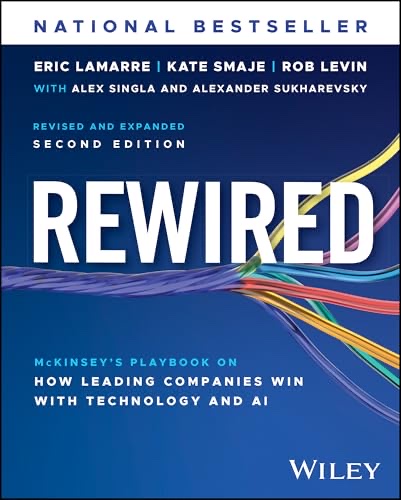
What it unlocks: Translate AI ambition into domains, talent, platforms, data, adoption, risk, and scale.
Know the limit: Its center of gravity is the large enterprise, not hands-on agent implementation.
Deep read · 624 pages
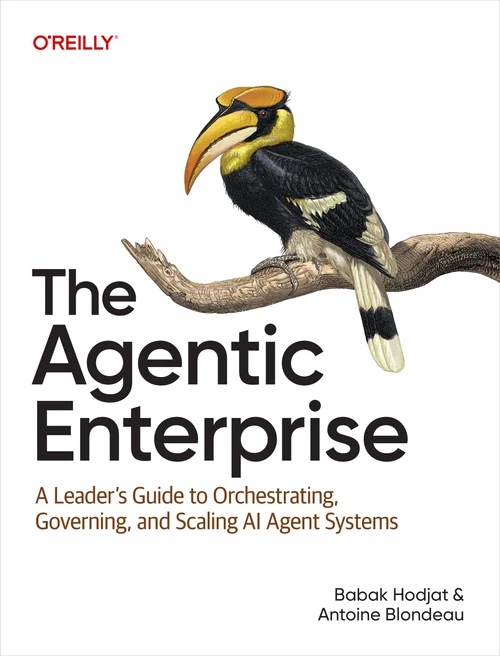
What it unlocks: Evaluate use cases, ROI and TCO, governance, interoperability, architecture, and lock-in.
Know the limit: A strategy-to-architecture bridge; lighter on day-to-day delivery mechanics.
Focused read · 190 pages
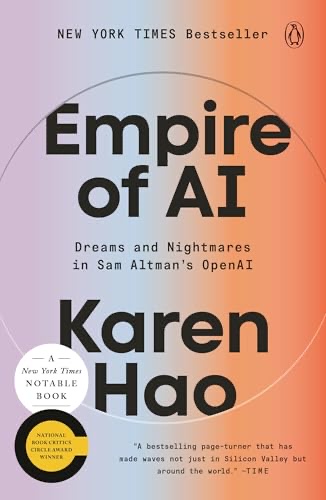
What it unlocks: Challenge inevitability narratives and understand the institutions and people bearing AI's costs.
Know the limit: An investigative and critical lens, not an implementation manual.
Narrative deep dive · 496 pages
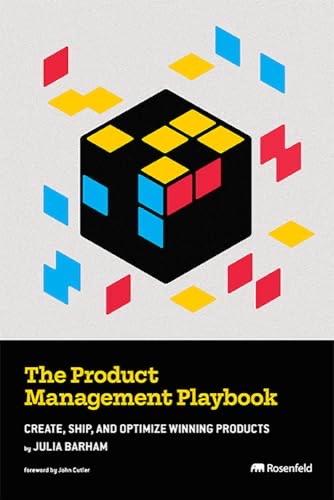
What it unlocks: Practice discovery, delivery, launch, in-market management, stakeholder influence, and product leadership.
Know the limit: A broad PM foundation; only part of its value is specific to AI.
Working handbook · 304 pages
What it unlocks: Connect evaluation, data, adaptation, retrieval, serving, latency, cost, and reliability.
Know the limit: Focused on compound AI applications, not pretraining a frontier model.
Technical cornerstone
What it unlocks: Build intuition for tokenization, attention, GPT architecture, pretraining, and fine-tuning.
Know the limit: Educational model scale; production infrastructure is outside its main scope.
Code-along · 368 pages
What it unlocks: Gain a durable vocabulary for tools, reflection, collaboration, planning, memory, and orchestration.
Know the limit: Framework examples can age faster than the underlying pattern vocabulary.
Pattern reference · 427 pages
What it unlocks: Connect data, training, serving, Kubernetes, monitoring, cost, security, and edge deployment.
Know the limit: More model and platform operations than product discovery.
Hands-on operations · 456 pages
What it unlocks: Ground decisions in regression, classification, resampling, regularization, trees, SVMs, and unsupervised learning.
Know the limit: A classical ML foundation rather than a generative-AI book.
Free textbook + Python labsThe first nine layers are broadly reusable. Open one of these branches when a real role, risk, or project creates demand.
Threats, red teaming, permissions, privacy, bias, controls, and accountability.
Open shelf →Branch 10BDistributed data, vector search, RAG, GraphRAG, knowledge graphs, and provenance.
Open shelf →Branch 10CComputer vision, transformers, diffusion, image, audio, and creative systems.
Open shelf →Branch 10DCausality, reinforcement learning, planning, multi-agent learning, perception, and control.
Open shelf →Branch 10EHealthcare, life sciences, finance, forecasting, simulation, and constrained deployment.
Open shelf →All books remain visible by default. Narrow the shelves by domain, editorial priority, author, title, or topic.
By Eric Lamarre, Kate Smaje, Robert Levin, Alex Singla, and Alexander Sukharevsky
Deep enterprise transformation: economics, domains, operating model, talent, platforms, data, adoption, risk, and scale.

By Babak Hodjat and Antoine Blondeau
A focused bridge from agent technology to enterprise readiness, ROI, architecture, governance, interoperability, and vendor lock-in.

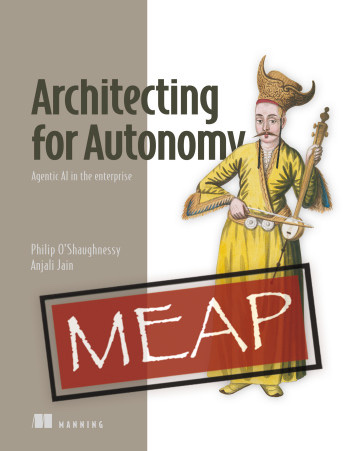
By Anjali Jain and Philip O'Shaughnessy
Excellent intended scope across strategy and architecture, but too incomplete to anchor the stack.


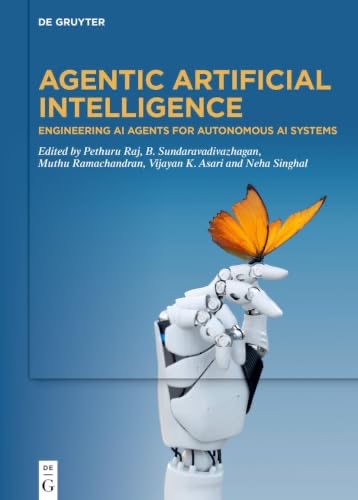
Edited by Pethuru Raj, B. Sundaravadivazhagan, Muthu Ramachandran, Vijayan K. Asari, and Neha Singhal
A broad agent-business overview covering foundations, use cases, leadership, and scaling.

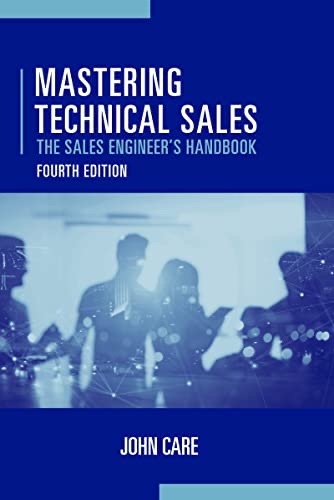
By John Care
Best direct complement for trusted-advisor behavior, discovery, RFPs, executive trust, and technical-commercial translation.

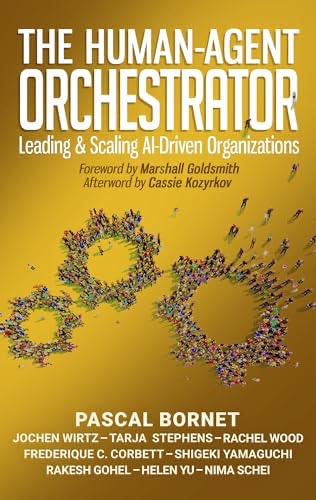
By Pascal Bornet, Jochen Wirtz, Tarja Stephens, Rachel Wood, Frederique Covington Corbett, Shigeki Yamaguchi, Rakesh Gohel, Helen Yu, and Nima Schei
Distinctive human-agent leadership, autonomy, accountability, and organizational-design specialization.


By Kristin L. Milchanowski
Executive transformation and governance principles; concise but less agent-specific.

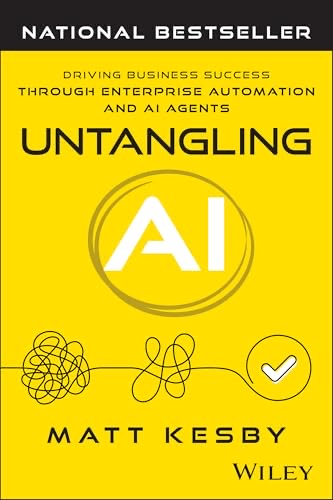
By Matt Kesby
A practical adoption framework spanning strategy, people, technology, and execution.

By Robert Riefstahl
Valuable if complex software demonstrations are a central part of the role.

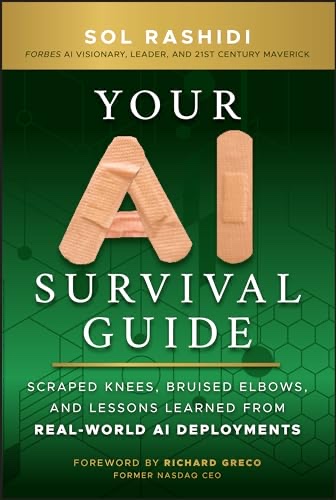
By Sol Rashidi
Sound deployment lessons, now superseded by newer and more specific choices.

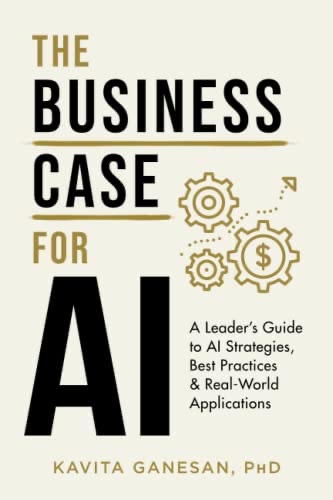
By Kavita Ganesan
Useful classic AI framework, but predates the mainstream GenAI and agent era.

By Karen Hao
Released · 2025A deeply reported account of OpenAI, concentrated compute power, data labor, environmental cost, and the institutional incentives driving the AI race.

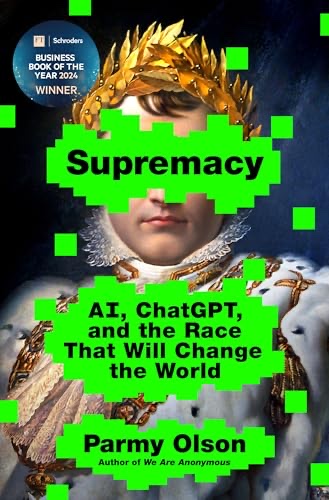
By Parmy Olson
Released · 2024A reported history of the OpenAI–DeepMind rivalry and the tension between public-interest missions, corporate control, and commercial scale.

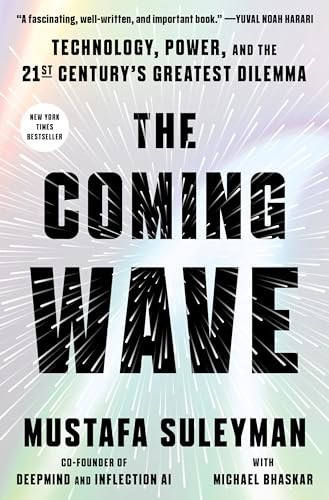
By Mustafa Suleyman with Michael Bhaskar
Fills the geopolitical, societal, state-power, containment, and labor perspective missing from the implementation stack.

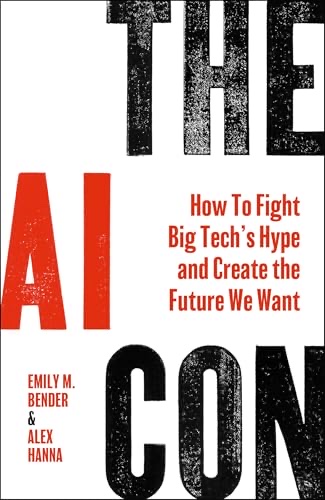
By Emily M. Bender and Alex Hanna
Released · 2025A rigorous counterweight to industry hype, examining automation claims, labor, data extraction, accountability, and who benefits from AI narratives.

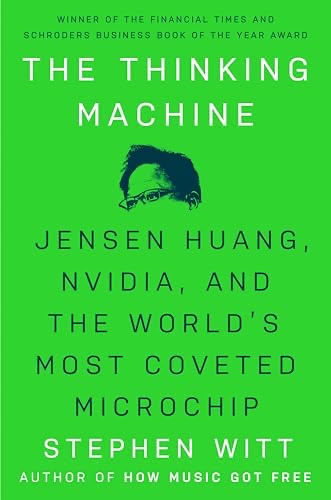
By Stephen Witt
Released · 2025A focused history of Nvidia, accelerated computing, and the hardware economics underpinning the modern AI industry.

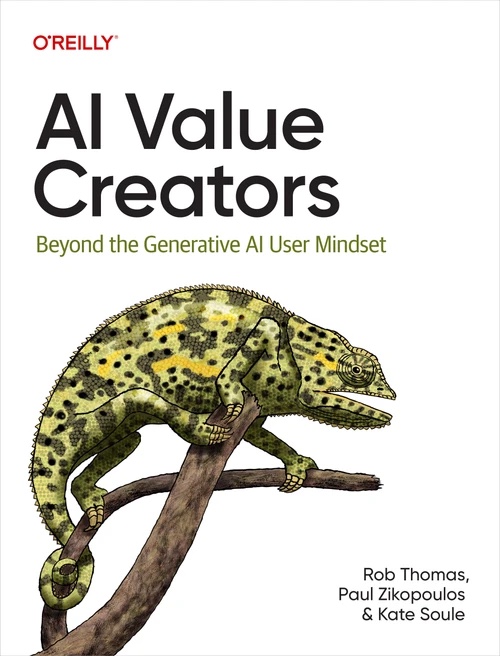
By Rob Thomas, Paul Zikopoulos, and Kate Soule
Useful value-creation lens and free access, but broad and IBM-influenced.

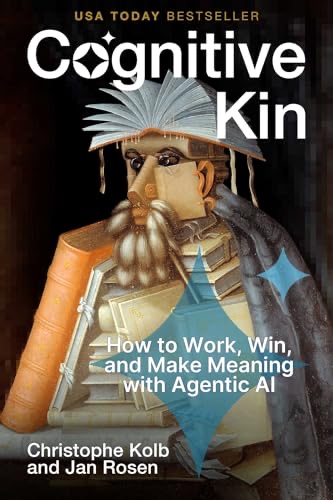
By Christophe Kolb and Jan Rosen
An ambitious future-of-work synthesis that favors philosophical breadth over operational detail.

By Shyvee Shi, Caitlin Cai, Yiwen Rong, and Jia Li
Older GenAI product overview with weaker differentiation and less durable evidence.


By Janna Lipenkova
Best AI-specific product book assessed: opportunity discovery, technical options, UX, governance, adoption, and stakeholders.

By Marty Cagan
Best conceptual picture of excellent product teams, discovery, and outcome-led product culture.

By Josh Clark and Veronika Kindred
Released · 2026A human-centered guide to treating AI as a design material for adaptive, agentic interfaces rather than merely a productivity tool.

By Christopher Noessel
Released · 2026A distinctive framework for designing AI that expands human capability while reducing dependency, over-automation, and deskilling.

By Marily Nika
Useful lifecycle overview, displaced by the stronger Lipenkova book and mixed reader feedback.

By Marily Nika and Diego Granados
Broad coverage, but early feedback suggests dry treatment and limited actionable depth.

By David Vega
Excellent enterprise-politics premise, but too new and insufficiently validated.

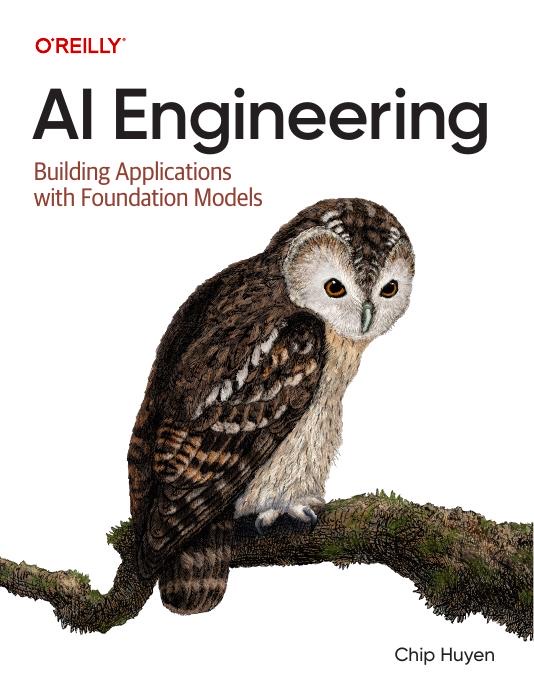
By Chip Huyen
A technical cornerstone for foundation-model applications, evaluation, adaptation, serving, cost, and reliability.

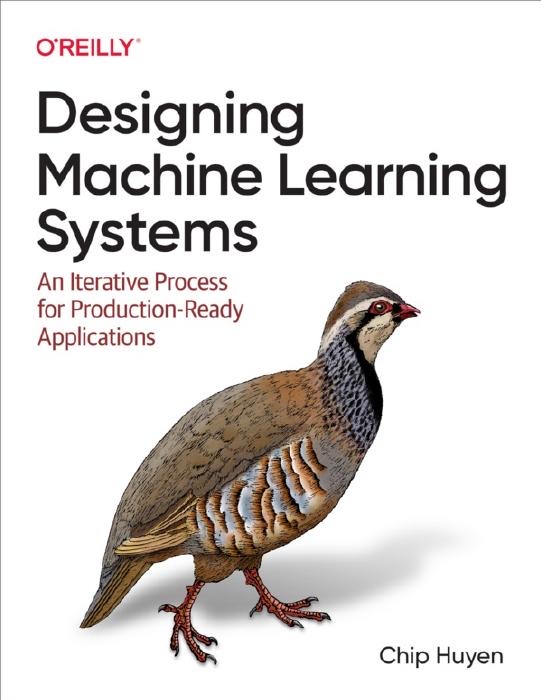
By Chip Huyen
Excellent systems thinking, though portions overlap AI Engineering.

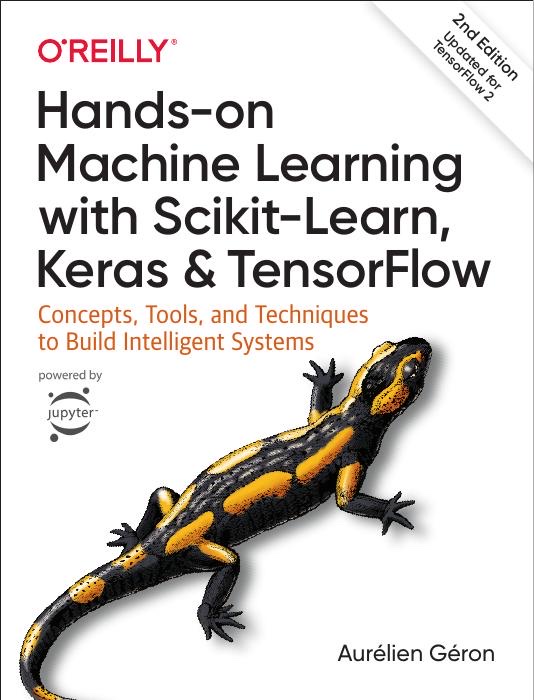
By Aurélien Géron
A comprehensive implementation-first foundation in classical ML and deep learning.

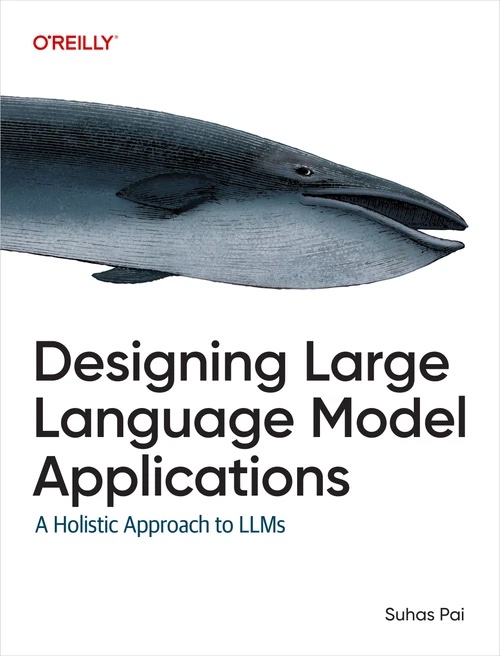
By Suhas Pai
Released · 2025A holistic treatment of LLM data, pretraining, adaptation, inference, application design, and production trade-offs.

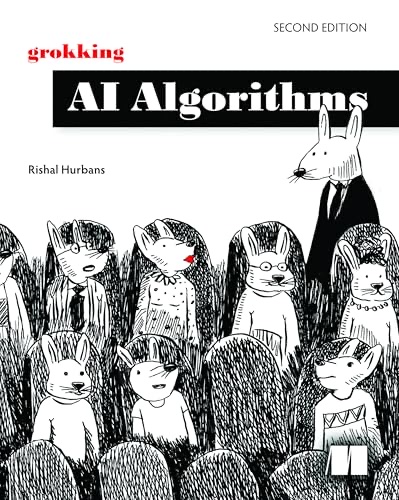
By Rishal Hurbans
A broad, approachable visual foundation across search, optimization, neural nets, reinforcement learning, LLMs, and diffusion.

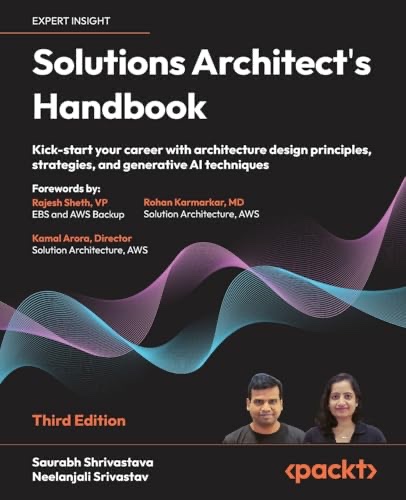
By Saurabh Shrivastava and Neelanjali Srivastav
Broad solution-architecture foundations spanning NFRs, cloud, security, data, ML, and stakeholder work.

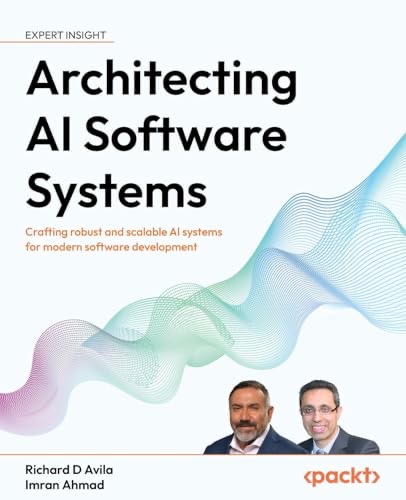
By Richard D. Avila and Imran Ahmad
A concise introduction to AI architecture, requirements, conceptual design, and integration.

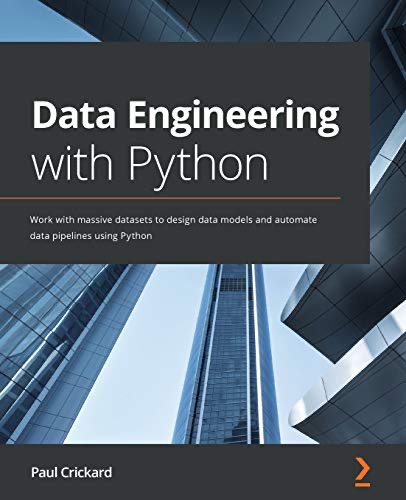
By Paul Crickard
A practical introduction to building Python-based data pipelines.

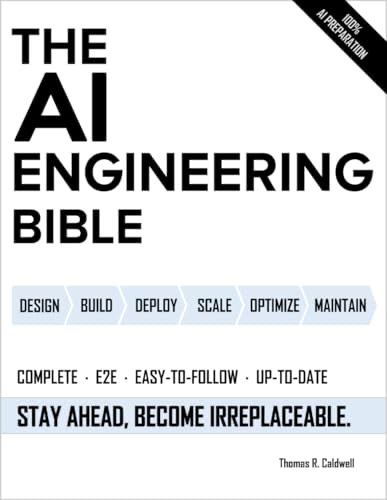
By Thomas R. Caldwell
A broad self-published overview of production AI systems; useful as a survey, but independent validation and editorial provenance remain limited.

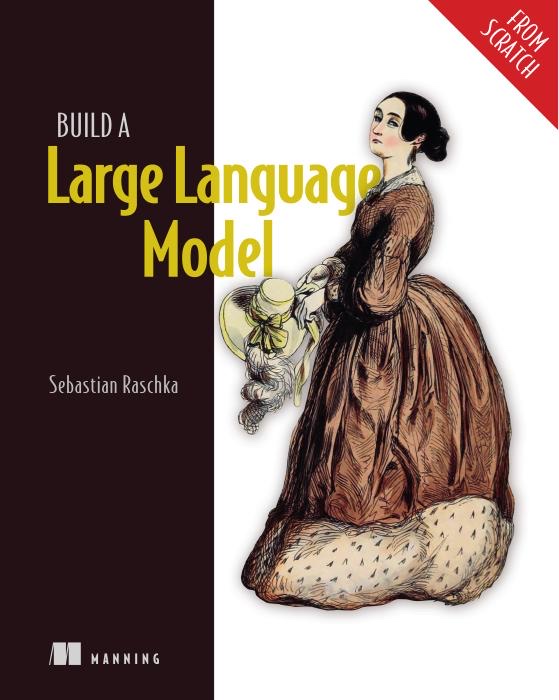
By Sebastian Raschka
The cleanest missing model-internals layer: tokenization, attention, GPT architecture, pretraining, and instruction fine-tuning.

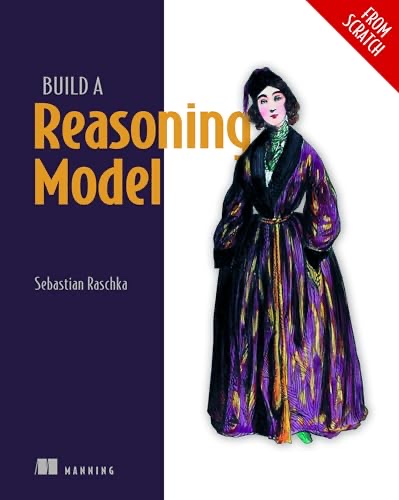
By Sebastian Raschka
High-quality optional depth in inference-time reasoning, verifiers, RLVR/GRPO, and distillation.

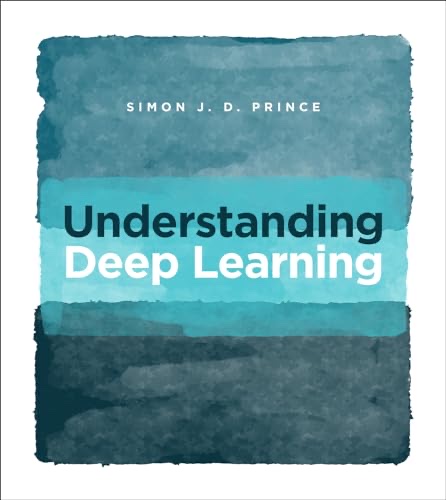
By Simon J. D. Prince
Foundation · 2023An unusually clear, mathematically grounded bridge from neural-network fundamentals to modern architectures, generative models, and transformers.

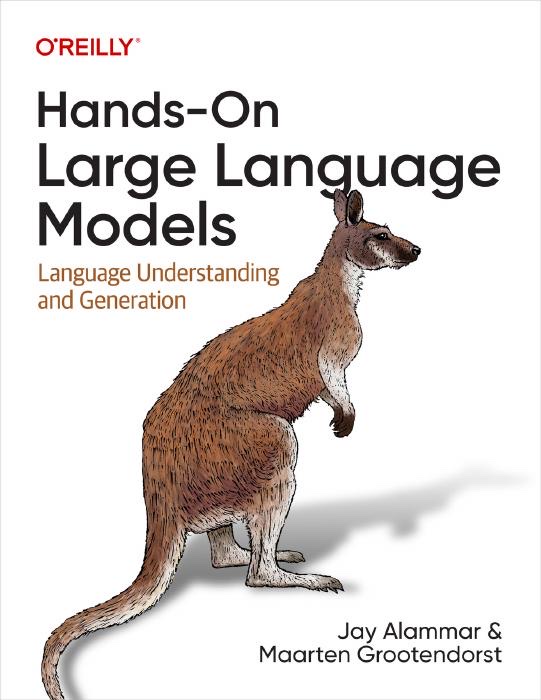
By Jay Alammar and Maarten Grootendorst
A strong visual and practical reference for language models, embeddings, generation, and fine-tuning.

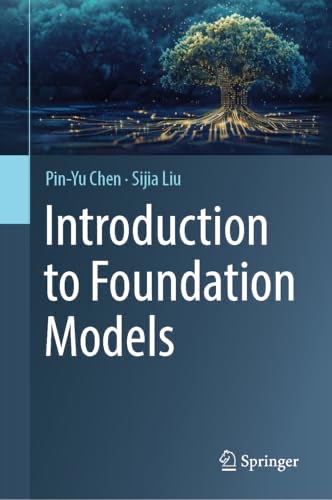
By Pin-Yu Chen and Sijia Liu
Released · 2025A broader foundation-model treatment spanning language, vision, diffusion, robustness, adaptation, and safety.

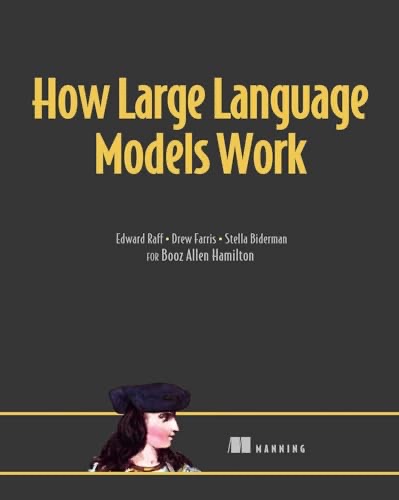
By Edward Raff, Drew Farris, and Stella Biderman
Released · 2025An accessible but substantive explanation of tokenization, training, RLHF, evaluation, RAG, risks, and LLM-powered workflows.

By Amit Bahree and Weehyong Tok
Early access · 2026A reproducible comparison of prompting, RAG, LoRA, QLoRA, supervised fine-tuning, distillation, DPO, and their operational trade-offs.

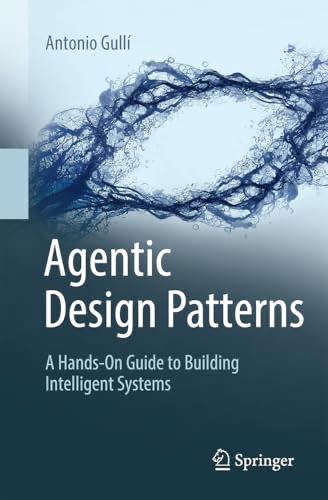
By Antonio Gullì
Released · 2025A framework-agnostic catalog of 21 reusable agent patterns, supported by runnable examples across LangGraph, CrewAI, and Google ADK.

By Jungjun Hur and Younghee Song
Framework-free agent implementation covering loops, tools, context, memory, RAG, MCP, planning, multi-agent systems, and evals.

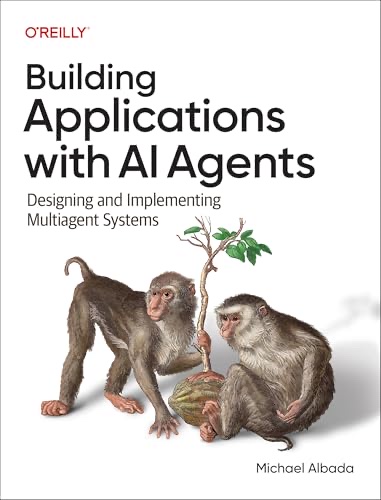
By Michael Albada
A practical, research-based treatment of single- and multi-agent system design, implementation, collaboration, and evaluation.

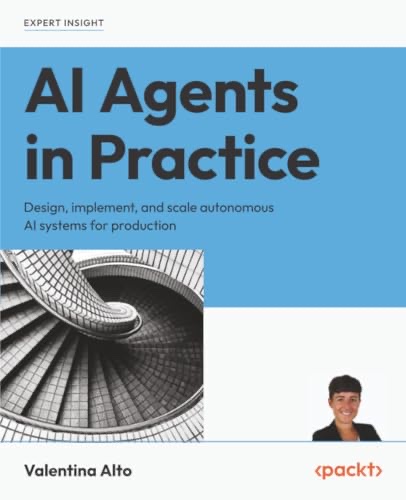
By Valentina Alto
Production-oriented agent patterns, orchestration, multi-agent systems, ethics, monitoring, and scale.

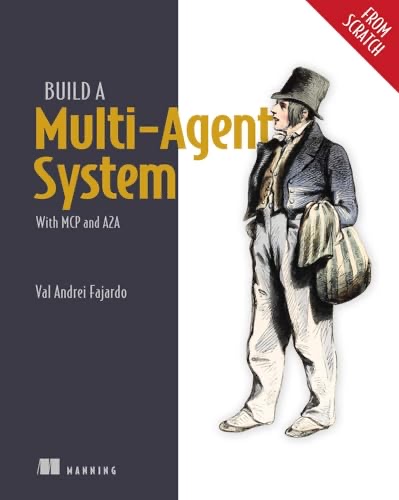
By Val Andrei Fajardo
Early access · 2026Builds agent loops, tools, memory, human oversight, MCP, and A2A infrastructure without hiding the mechanics behind a framework.

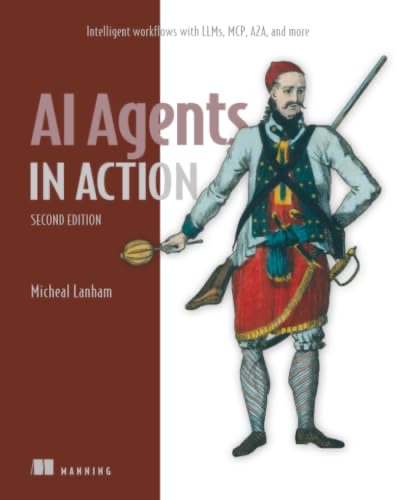
By Micheal Lanham
A broad implementation curriculum for agentic applications; still incomplete.

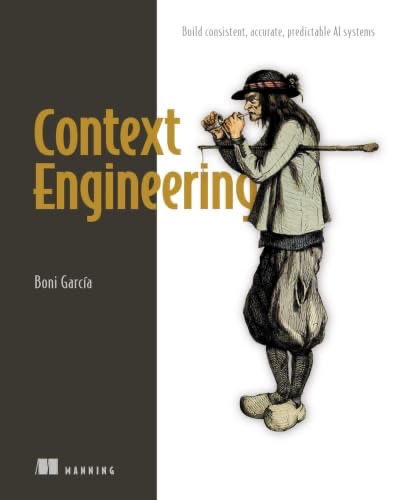
By Boni García
Early access · 2026Treats instructions, retrieval, tools, memory, state, skills, and context compression as one coherent reliability discipline.

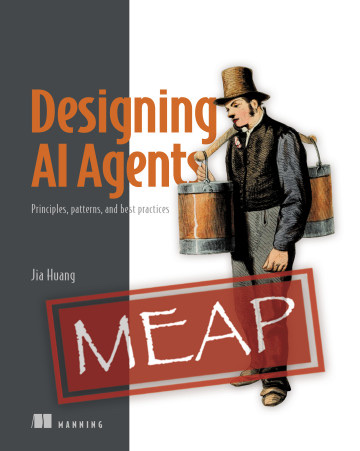
By Jia Huang
A high-level perspective on agent design, interaction, and system behavior; quality evidence remains immature.

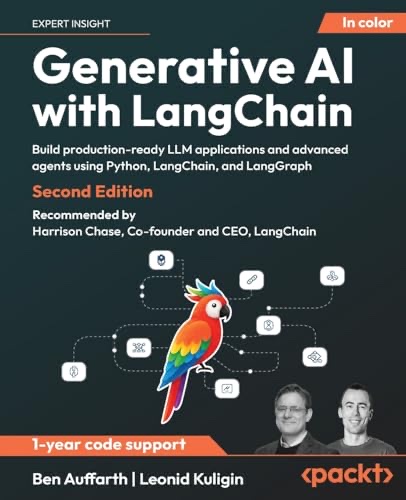
By Ben Auffarth and Leonid Kuligin
Framework-specific content will age quickly and duplicates stronger fundamentals.

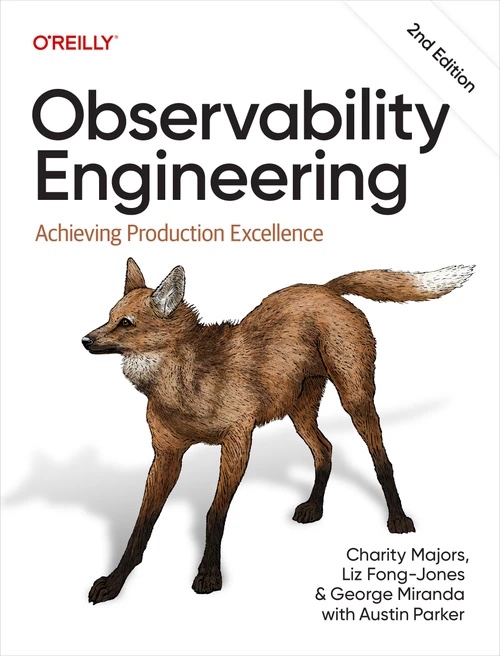
By Charity Majors, Liz Fong-Jones, and George Miranda
Released · 2026A modern observability foundation with direct treatment of LLM telemetry, evaluations, reliability feedback loops, SLOs, and production learning.

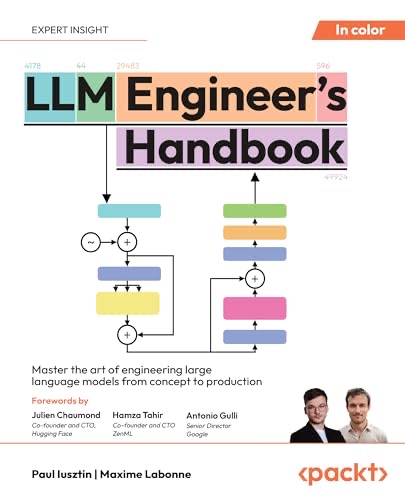
By Paul Iusztin and Maxime Labonne
A production-oriented LLMOps project spanning data pipelines, RAG, fine-tuning, evaluation, inference optimization, deployment, and AWS.

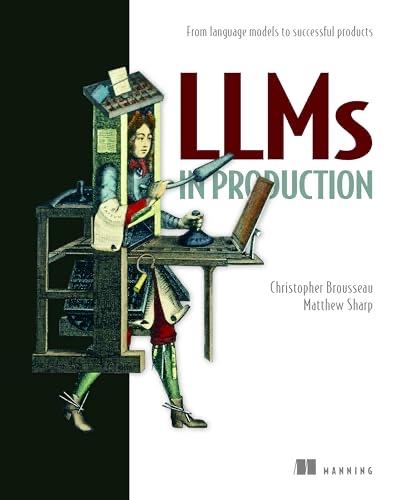
By Christopher Brousseau and Matthew Sharp
Released · 2025An end-to-end operational guide covering datasets, training, adaptation, serving, Kubernetes, monitoring, cost, security, and edge deployment.

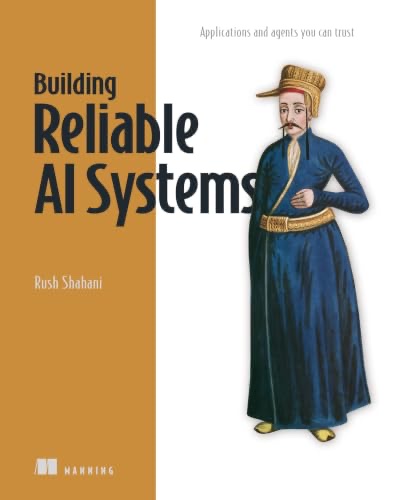
By Rush Shahani
Early access · 100%Production reliability across hallucination reduction, bias, performance, RAG, agents, optimization, deployment, and maintenance.

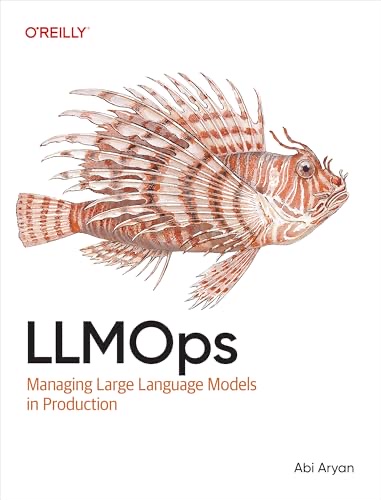
By Abi Aryan
An operations reference spanning deployment, evaluation, monitoring, cost, and governance.

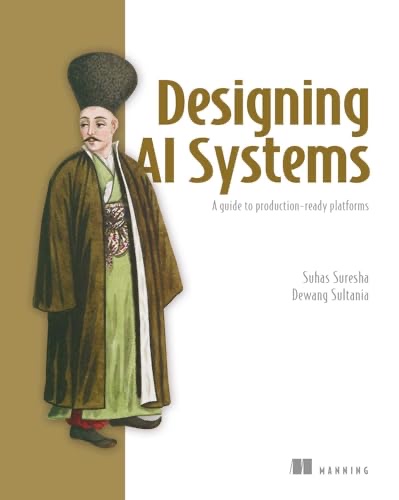
By Suhas Suresha and Dewang Sultania
Early access · 2026A platform-oriented guide to shared model access, memory, enterprise knowledge, tools, routing, cost controls, and safe operations.

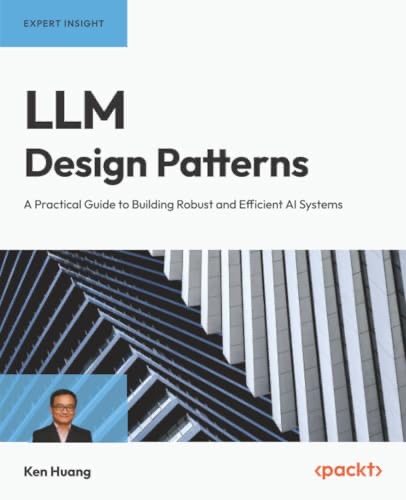
By Ken Huang
Large and broad, with substantial overlap across data, evaluation, RAG, and agentic patterns.

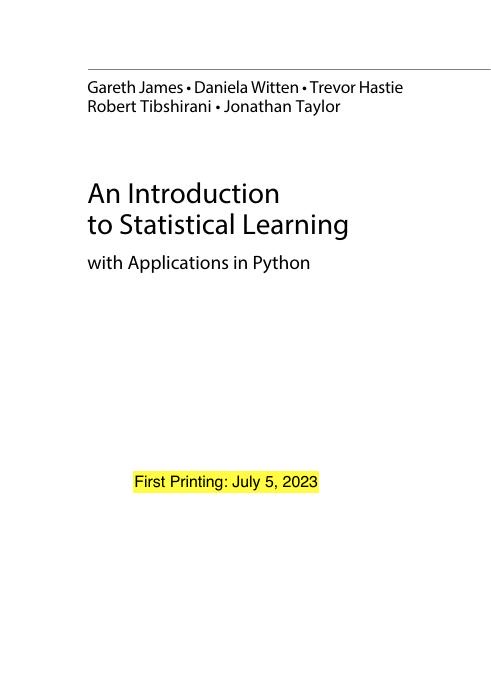
By Gareth James, Daniela Witten, Trevor Hastie, Robert Tibshirani, and Jonathan Taylor
A free, authoritative classical ML and statistics foundation with Python labs.

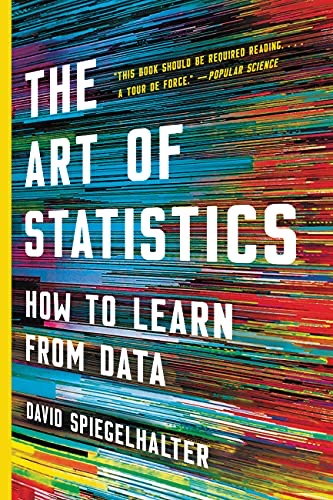
By David Spiegelhalter
Released · 2024Extends statistical judgment into chance, ignorance, risk, luck, belief updating, model limits, and decision-making under uncertainty.


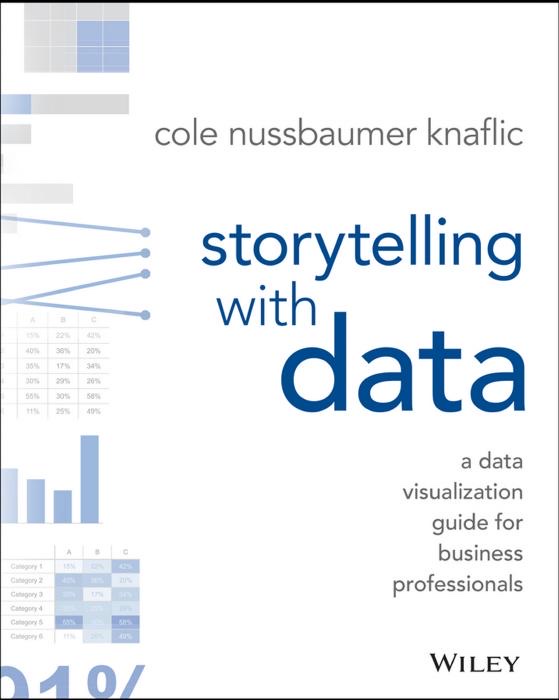
By Cole Nussbaumer Knaflic
Useful communication craft for proposals and executive presentations, though not AI-specific.

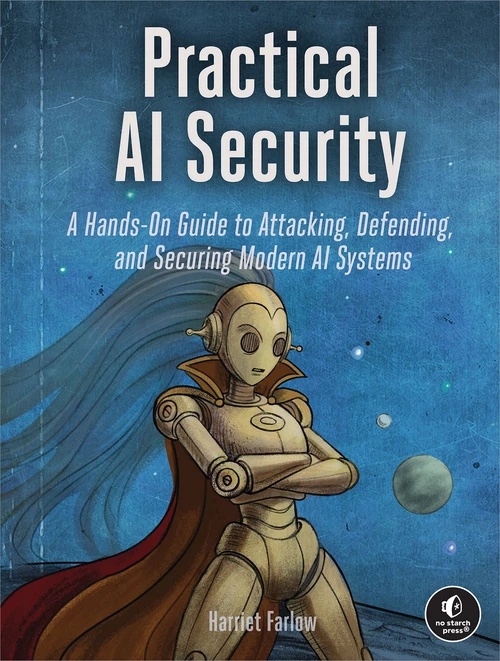
By Harriet Farlow
Released · 2026A first-principles, hands-on treatment of adversarial ML, prompt injection, agent and RAG threats, defenses, red teaming, safety, and governance.

By Joy Buolamwini
Foundation · 2023A grounded account of algorithmic bias, facial-analysis failures, encoded exclusion, and the social and civil-rights responsibilities of AI builders.

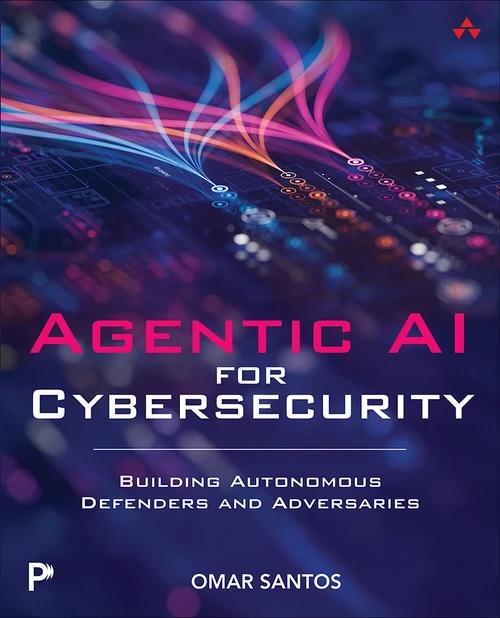
By Omar Santos
Released · 2026A security-first domain guide covering autonomous defenders, offensive agents, MCP/A2A, orchestration, threat modeling, and agent incident response.

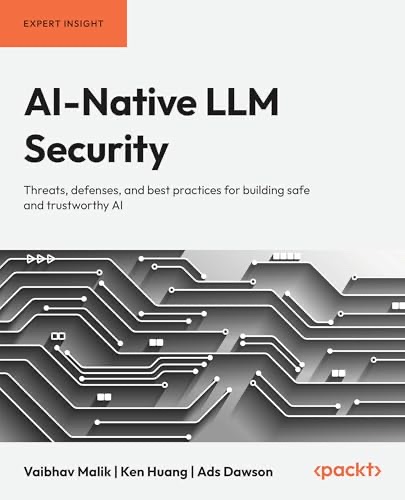
By Vaibhav Malik, Ken Huang, and Ads Dawson
Released · 2025A lifecycle security reference covering trust boundaries, OWASP risks, data and model attacks, secure architecture, LLMOps, monitoring, and incident response.

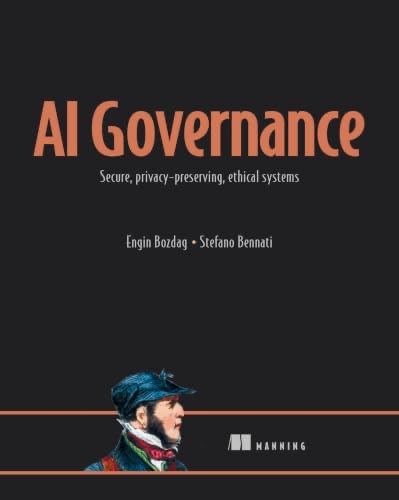
By Engin Bozdag and Stefano Bennati
Early access · 2026Translates GenAI governance into deployment controls for privacy, security, bias, prompt injection, monitoring, incident learning, and regulation.

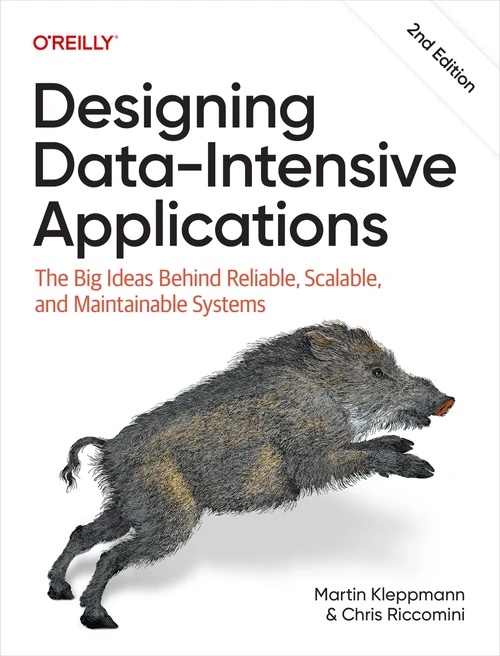
By Martin Kleppmann and Chris Riccomini
Released · 2026The modern systems foundation for storage, replication, streaming, consistency, distributed trade-offs, vector embeddings, and data-intensive architecture.

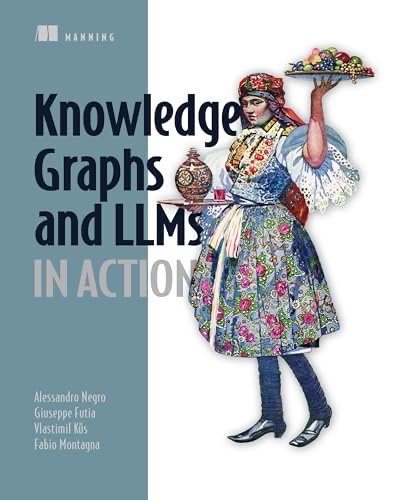
By Alessandro Negro, Vlastimil Kůs, Giuseppe Futia, and Fabio Montagna
Released · 2025A practical guide to connected enterprise knowledge, graph construction, explainable reasoning, and knowledge-graph-powered RAG.

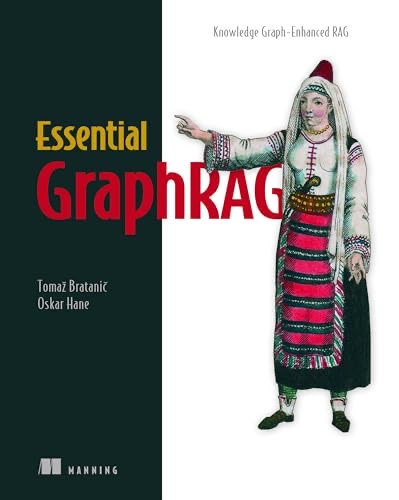
By Tomaž Bratanič and Oskar Hane
Released · 2025A focused implementation guide to hybrid vector and graph retrieval, knowledge extraction, Cypher generation, evaluation, and agentic RAG.

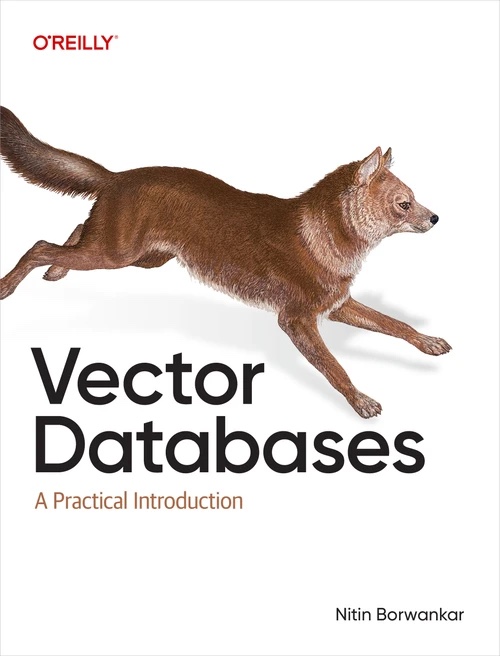
By Nitin Borwankar
Released · 2026A practical introduction to embeddings, similarity search, indexing, hybrid retrieval, metadata, evaluation, and production vector-database architecture.

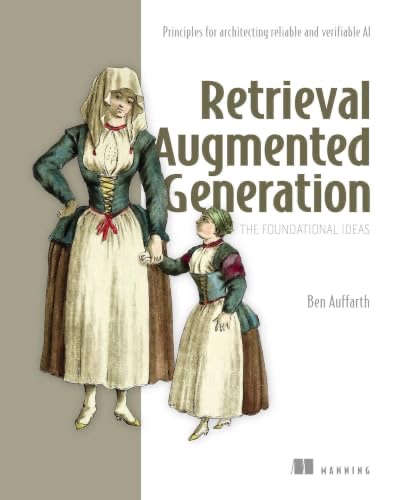
By Ben Auffarth
Early access · 2026Explains RAG through its defining research papers, failure modes, retrieval architectures, evaluation methods, and reliability trade-offs.

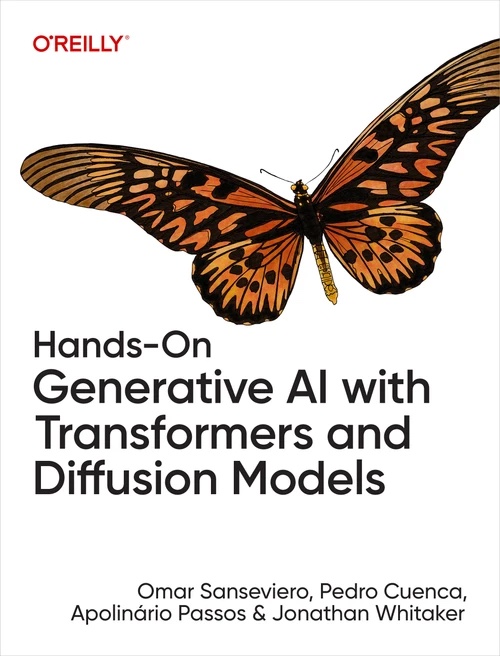
By Omar Sanseviero, Pedro Cuenca, Apolinário Passos, and Jonathan Whitaker
Released · 2024A broad open-model guide to generating and adapting text, images, audio, and music with transformers, diffusion, fine-tuning, and evaluation.

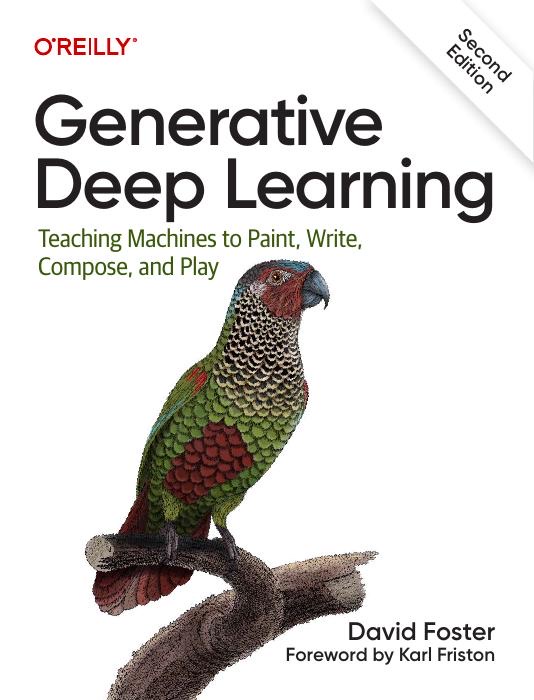
By David Foster
Deep generative models across VAEs, GANs, transformers, diffusion, and music generation.

By Valliappa Lakshmanan, Martin Görner, and Ryan Gillard
An end-to-end production computer-vision specialization.

By Mark Liu
Released · 2025Builds vision transformers and diffusion models for classification, captioning, image generation, editing, and deepfake understanding.

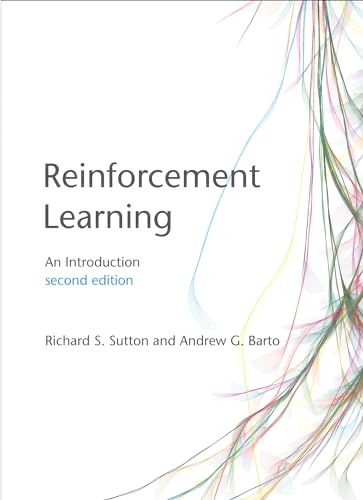
By Richard S. Sutton and Andrew G. Barto
Foundation · 2018The canonical foundation for value functions, temporal-difference learning, planning, policy optimization, and learning through interaction.

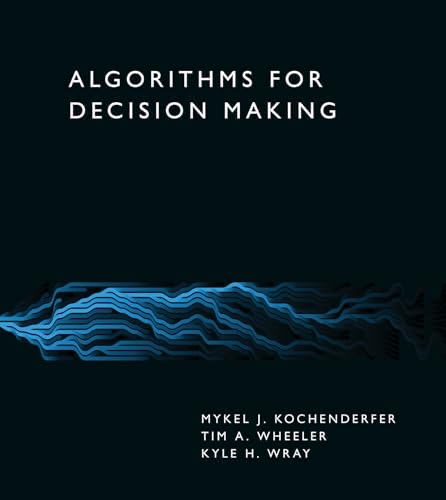
By Mykel J. Kochenderfer, Tim A. Wheeler, and Kyle H. Wray
Foundation · 2022A rigorous bridge across probabilistic reasoning, planning, reinforcement learning, partial observability, model uncertainty, and multi-agent decisions.

By Robert Osazuwa Ness
Released · 2025A code-first bridge from causal graphs and Bayesian inference to counterfactuals, causal generative models, reinforcement learning, and LLMs.

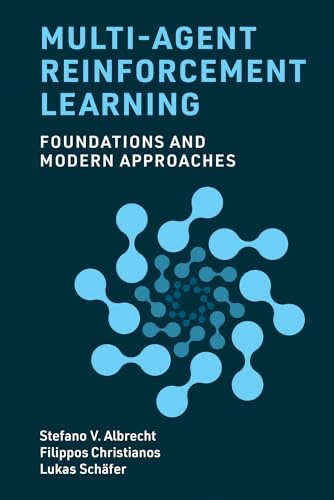
By Stefano V. Albrecht, Filippos Christianos, and Lukas Schäfer
Released · 2024A comprehensive modern foundation combining reinforcement learning, game theory, cooperation, competition, communication, and multi-agent evaluation.

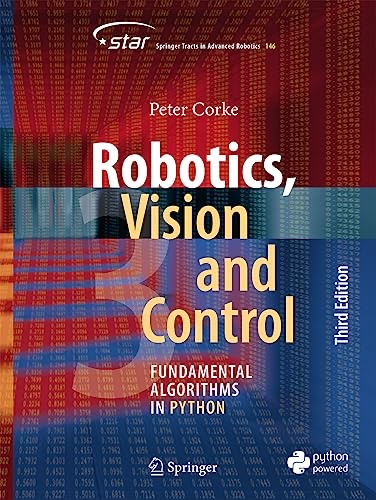
By Peter Corke
Foundation · 2023A practical physical-AI foundation spanning robot kinematics, planning, control, computer vision, SLAM, deep perception, and visual servoing in Python.

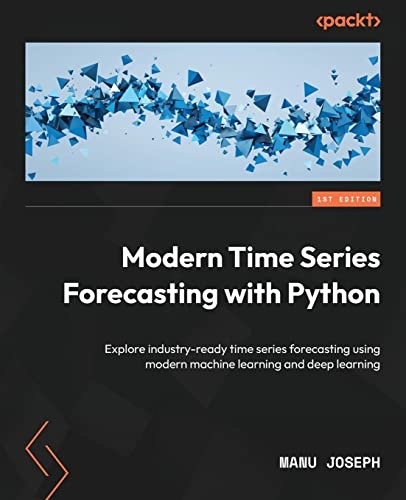
By Manu Joseph
A practical forecasting specialization spanning classical, ML, and deep-learning approaches.

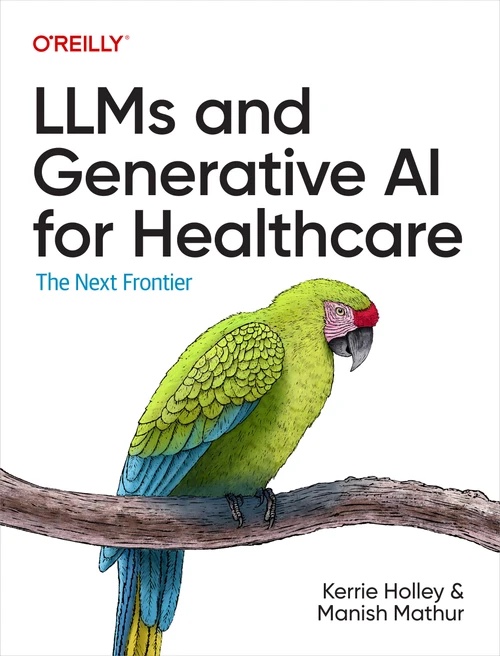
By Kerrie Holley and Manish Mathur
Released · 2024A healthcare-focused view of clinical assistance, administration, drug discovery, public health, patient experience, ethics, and deployment constraints.

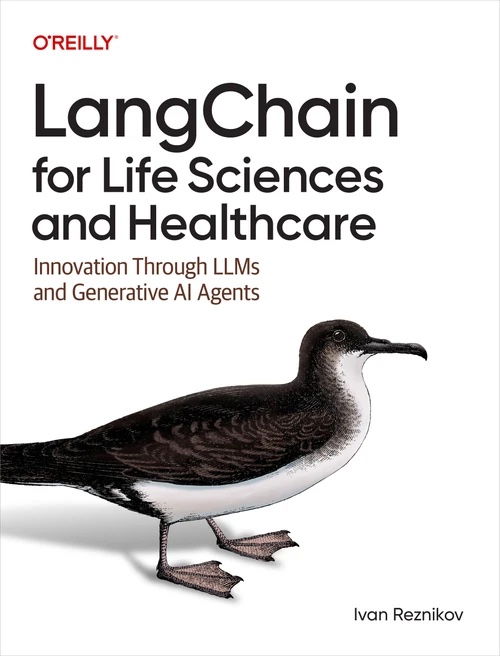
By Ivan Reznikov
Released · 2025A domain implementation guide to RAG, agents, knowledge graphs, biology, drug discovery, clinical applications, evaluation, and guardrails.

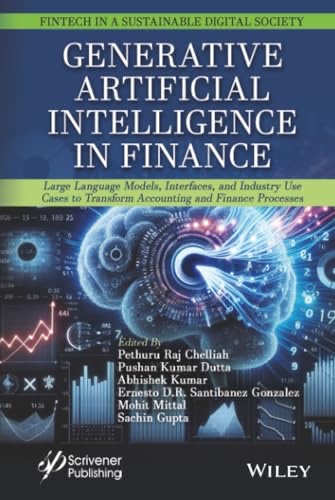
Edited by Pethuru Raj Chelliah, Pushan Kumar Dutta, Abhishek Kumar, Ernesto D. R. Santibanez Gonzalez, Mohit Mittal, and Sachin Kumar Gupta
Released · 2025A multi-author survey of generative AI across accounting, forecasting, banking, risk, regulation, automation, and financial operations.

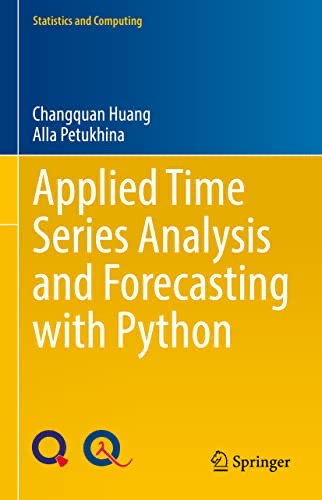
By Changquan Huang and Alla Petukhina
An applied introduction to forecasting workflows in Python.

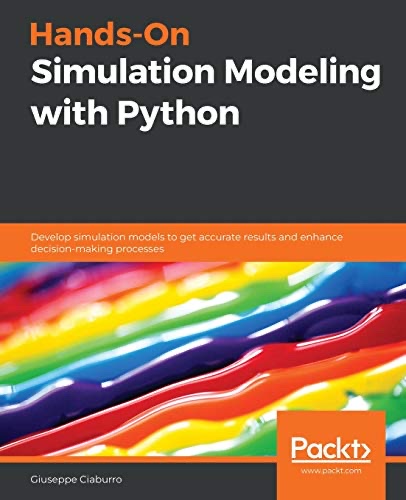
By Giuseppe Ciaburro
Simulation and modeling for problems that require synthetic experimentation.